Protected: Being there, being then, being present in field events
There is no excerpt because this is a protected post.
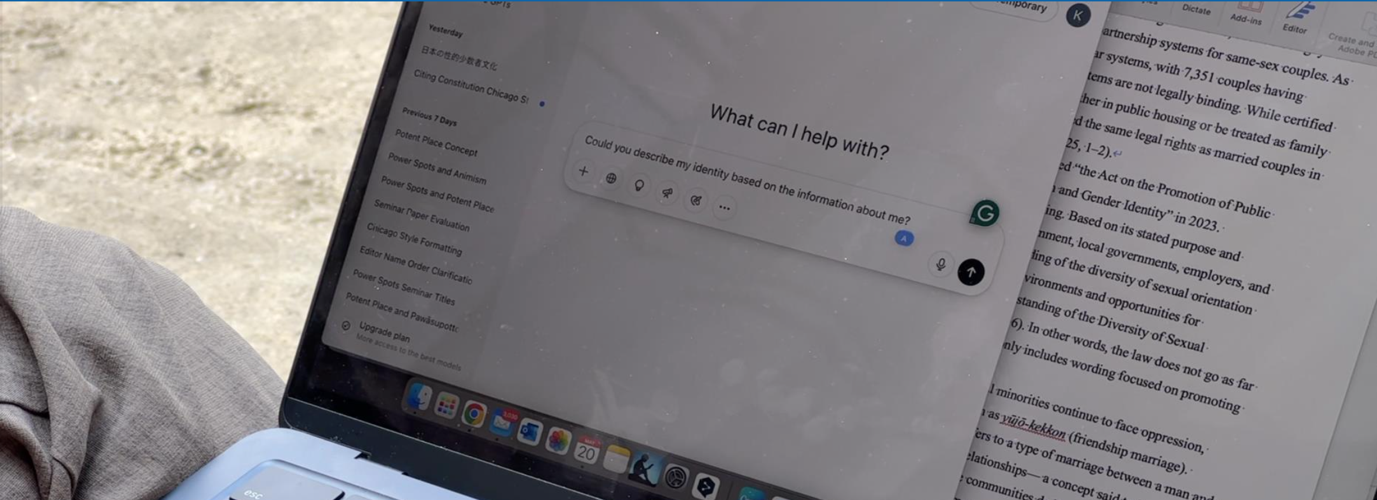
Daria Boichenko* This blog post is a revision of a text written for the seminar “Digital Identities and Socialities” by Philipp Budka for the MA program “CREOLE – Cultural Differences and Transnational Processes” at the University of Vienna. Over the past two years, with the growing popularity of ChatGPT, I have witnessed various ways in […]
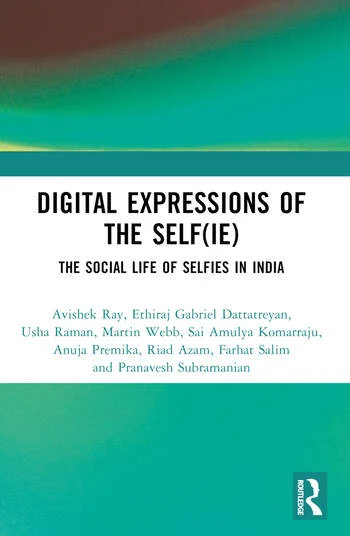
Avishek Ray* In our everyday scrolling—through Instagram, WhatsApp, Snapchat, or Facebook—the selfie often appears as something both mundane and omnipresent. Whether taken against a scenic backdrop, filtered for aesthetic effect, snapped for bureaucratic ID verification, or shared in moments of vulnerability or joy, the selfie has moved far beyond the status of a casual photograph. […]
Luise Erbentraut* With smartphones becoming an integral part of how people navigate and experience their interpersonal relationships, visuality has assumed a central role. The fusion of camera and communication technology embeds images and photography as practices within personal and intimate relationships. This also includes the consensual sharing of “nudes”, which are commonly known as photographic […]
Alice Roberte de Oliveira* Introduction Ethnography is crafted from field experiences, and each one is unique. Sharing particularities might help other colleagues diversify their data gathering. In my ongoing PhD in Communication Studies, gathering Google Reviews was a new way of engaging with the field and bringing texture to my research. By revealing personal experiences, […]
Marije Miedema* This blog post is based on the master’s thesis completed at the Research Master Arts, Media and Literary Studies, at the University of Groningen. It highlights one specific part of the methodology (reflective video diaries). To read the full thesis, click here, or reach out by e-mail. Toothbrushing is embedded in our daily routines, […]
Syntia Hasenöhrl* Since the onset of the COVID-19 pandemic, many scholars had to transfer their research into the digital. At first sight, this seems to tie in with a trend in social sciences that moves towards objectivist big data approaches and neglects personal interactions (Leurs, 2017, p.131ff). Against this trend, digital ethnographers have been practicing […]
Suzana Jovicic** It is Friday night in a youth centre on the outskirts of Vienna; the lights are dim, and loud local Rap music is blaring in the background. A girl sits alone on the old sofa, seemingly oblivious to the noise and chaos around her. Her face glows a bright red that reflects off […]
Monika Palmberger & Philipp Budka** Digital ethnography has become a very vibrant research field, as the growing body of literature indicates (e.g. Hjorth et al., 2017; Pink et al., 2016). Nevertheless, we sense that methodological debates often fall short. With this contribution to the Digital Ethnography Initiative (DEI) blog, we would like to open up […]